Iceland Ring Road in Winter vs Summer: Pros and Cons
Disclaimer: This post may contain affiliate links. Please see our Disclosure Policy and Advertiser Disclosure for details.
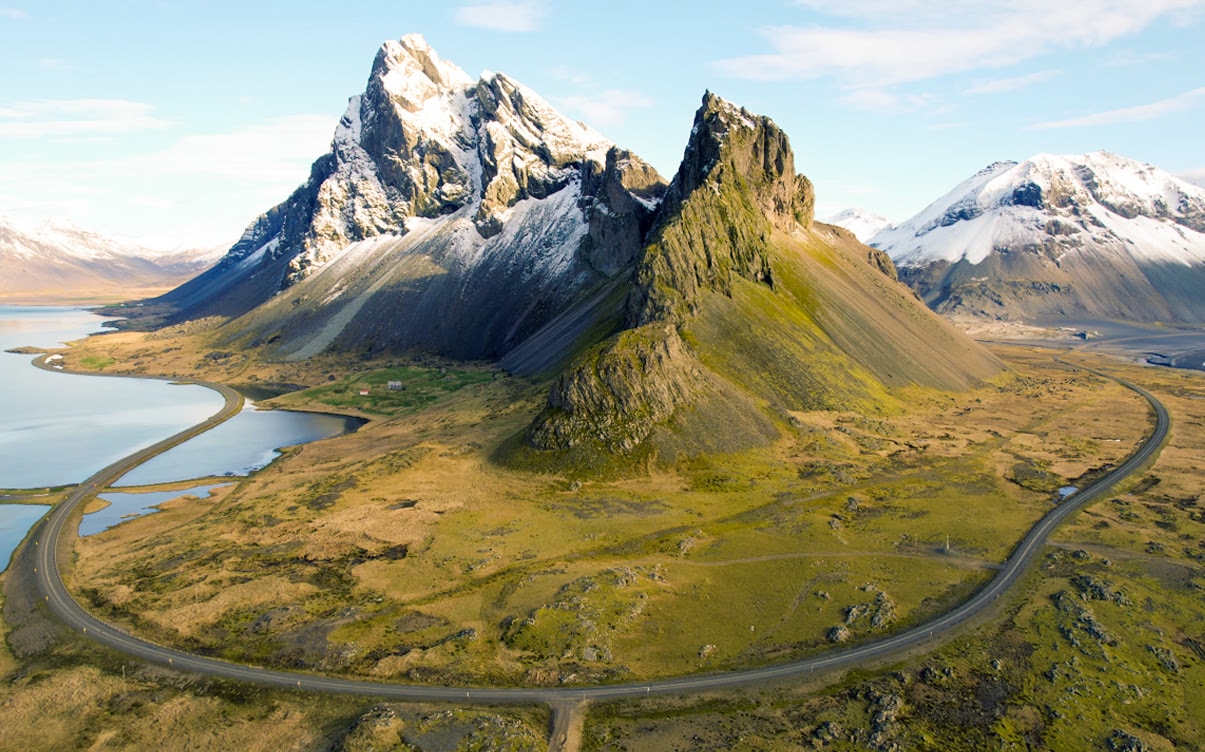
One of the perks of being a relatively small island nation like Iceland is the ability to build infrastructure that makes sense and takes people anywhere they want to go. The Ring Road is a classic example.
Also known as Route 1, the Ring Road is just that: a road that circles the country, following the coast where possible, zigging and zagging through mountains where necessary, and hitting many of the most fantastic hotspots and tourist destinations all along the way.
Oh, there are plenty of places you can’t get just by following the Ring Road. The road cuts more inland in the northeast of the country, so all of the coastal towns up in that direction need a special journey to reach. Some fjords and further outlying areas are also off the beaten path.
There’s still an absolute ton of things to see and do. The Ring Road itself is 1,322 kilometers (that is, 820 miles) long, and it’s recommended to take at least seven days to travel from Reykjavik, around the country, and back.
If you have a week (or more) to spend in Iceland, and you want to experience the Ring Road, you’ll have plenty of questions. We don’t blame you! It’s a lot to take in and a long trip to plan.
Today, we wanted to focus on one important question: when should you visit Iceland to drive the Ring Road? Should you go in summer or in winter, or avoid the peak of either season and pick fall or spring? What are the pros and cons of each season?
Driving Iceland’s Ring Road in the Summer
Any time you’re planning a vacation to a destination far to the north, there’s a pretty good chance you’re going to encounter one piece of advice: visit in the summer.
The further north you go, the more ferocious the winters are going to be. Whether it’s driving wind, blinding snow, icy roads, or temperatures so cold your engine’s oil freezes up, it can be extremely challenging to travel in the winter. Summer, meanwhile, has a lot of potential benefits going for it.
The Pros of Summer Driving
Some of the benefits of driving the Ring Road in summer are obvious, but others aren’t quite so self-evident.
The weather is going to be nicer. The weather in Iceland is generally a lot nicer in the summer, though “nice” is subjective. If you’re native to the more northerly areas of the United States, you’ll be comfortable with the highs in the 50s (F), but if you’re from SoCal or Florida, you’ll be chilly either way.
More importantly, you’ll likely have clearer skies, less precipitation, and a much more “alive” country all around you. Animals and people will be a lot more active, plants will be in full bloom, and even the rivers will be more active.
You’ll have endless daylight to explore endless nature. We’re not even really exaggerating here, either. During the peak of summer, Iceland is a land with a midnight sun. That means, during the weeks surrounding the summer solstice, the sun never entirely dips below the horizon.
If you’ve ever traveled before and had that experience where you spend most of your day driving, arrive as the sun is going down, and don’t have time to do much of anything, you’re not going to have that in summer in Iceland. Spend the afternoon driving, have a nice dinner, then head out for a multiple-hour-long hike? You’ll still have daylight at the end of it.
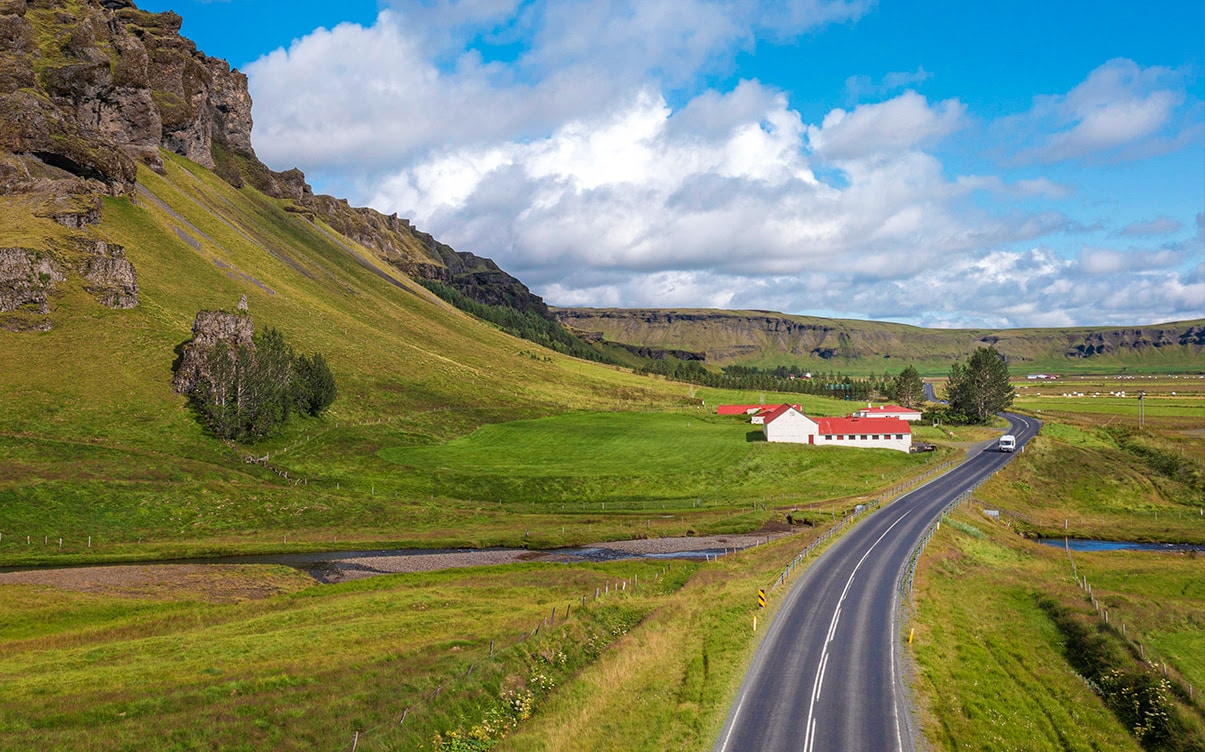
You’ll have the opportunity to try driving the highlands. The highlands is the central region of Iceland, with higher elevation and rough terrain that make it challenging to live, visit, or travel through. It’s a region with unparalleled beauty, and you can easily spend days without seeing another human being, or even the signs of civilization other than the road itself.
“Road” is a generous description, though. A lot of these roads are dirt trails that are half-eroded, making a rugged 4×4 vehicle mandatory to travel them, and even then, it can be terrifying. The rewards are worth it, but it’s a tall ask for casual travelers.
Summer is the only time you can visit the highlands. Too much of it is covered in snow and impassable during the winter, and even during the shoulder seasons, to visit any other time.
The greenery is endless, and it’s fantastic to explore nature. So much of Iceland is relatively untouched wilderness you’re more or less free to explore, as long as you’re respectful. A lot of it is buried deep under snow in the winter, though, so you’ll never see it. Summer is when the country comes alive, in every sense of the word.
There are also some things you can only do in the summer. Visiting the volcanoes, for example, often requires a visit in the summer simply because you don’t have a good way to access them in the winter. Similarly, visiting the best of Iceland’s waterfalls is a summer adventure because of access concerns. Some of them freeze up in the winter, too, though a frozen waterfall is also a very impressive sight.
The Cons of Summer Driving
Summer is the go-to choice for a lot of people, but a couple of concerns might make it less viable for you in particular, so keep them in mind.
There are definitely going to be more people on the roads and at hotspots. Summer is the peak tourist season as well as the best time for native residents of Iceland to do their traveling. The Ring Road will have more people on it, and every tourist hotspot, business, museum, or attraction you want to visit is also going to have more visitors.
That’s not to say it’s going to be as packed or as busy as a lot of other tourist destinations. Iceland tourists often tend to stick within a few hours of Reykjavik, so once you get well underway on your Ring Road trip, the traffic tapers off significantly. But if you were hoping to visit the big hotspots like the Blue Lagoon, you might need to make sure you’ve booked in advance.
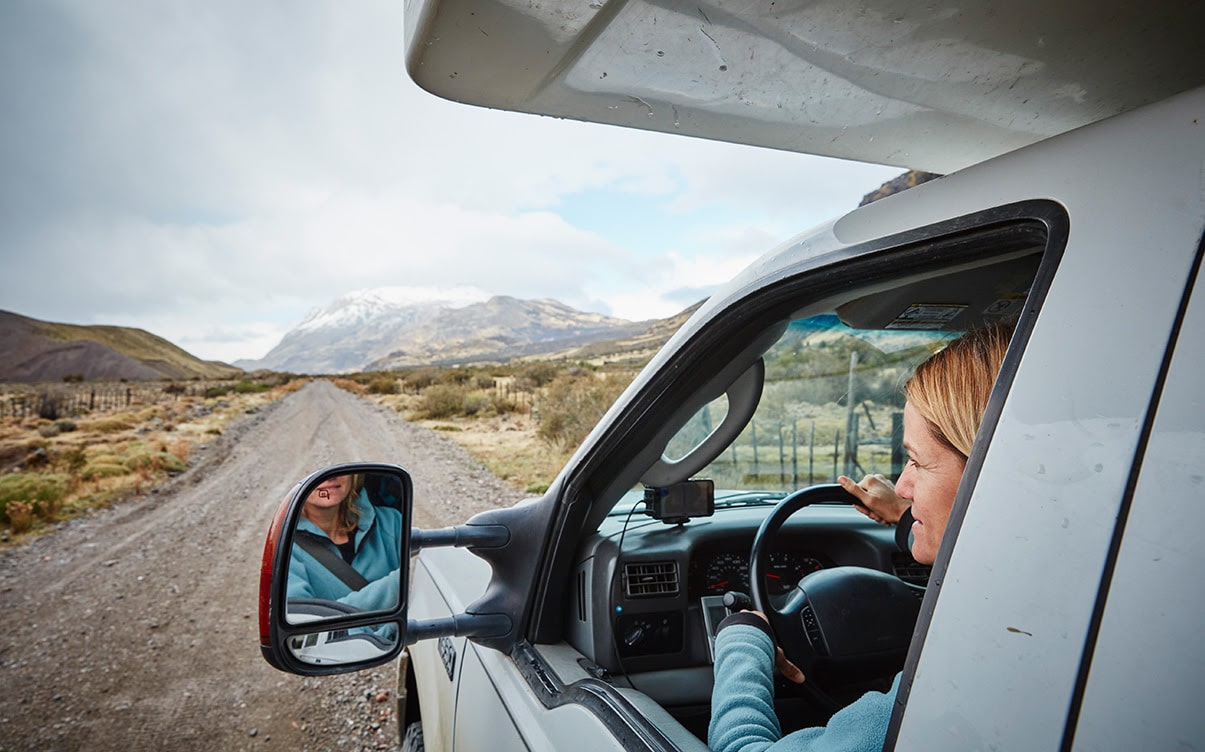
The midnight sun can make it hard to sleep or see the northern lights. One of the big reasons people want to visit Iceland is that, since it’s positioned far enough north, it’s in a prime viewing location for the aurora. Unfortunately, as brilliant as the aurora can be, the midnight sun is going to drown it out. You won’t have much of a chance to see it if you’re trying to visit during the summer.
Some people, especially those who are very attached to their circadian rhythms, can also find it hard to get restful sleep when the sun never goes away. Curtains and accommodations can help, but there’s only so much you can do when the world around you just never gets dark.
Driving Iceland’s Ring Road in the Winter
While there are distinct benefits to driving the Ring Road in the summer, for many people, winter is what it’s all about. After all, this is Iceland we’re talking about. If you want a balmy tropical island, there are thousands of those you can visit elsewhere in the world. Iceland is a unique region of craggy mountains, snow-capped peaks, ice caves, and glaciers. Winter allows you to experience them all in their full majesty.
The Pros of Winter Driving
While it might be a hard sell to drive icy and snowy roads, especially in the dark, there are some benefits to visiting Iceland in the winter and driving the Ring Road during the colder months.
Iceland in winter is a unique experience. There are some elements of Iceland that you simply can’t experience any other time. The stark black-and-white scenery of snow-covered Iceland is unlike anything else in the world, and there’s a kind of pristine glory to winter Iceland that resonates with the soul.
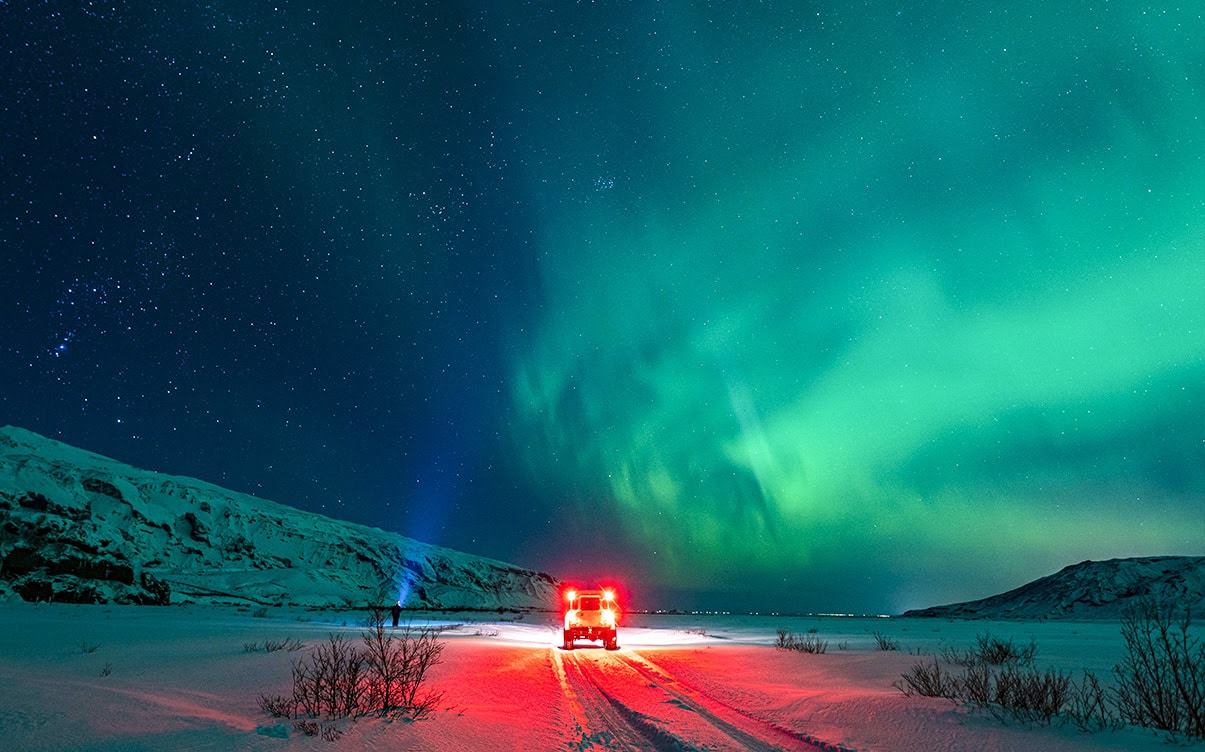
You’ll have the best chance to see the northern lights. The best time to see the northern lights in Iceland is winter, because there’s more darkness, deeper darkness, and usually, clearer skies.
You’re never actually guaranteed to see the northern lights, which disappoints many people every year. Sometimes they don’t show up, and sometimes they’re hidden behind clouds. You have to be willing to hang around outside in the frigid cold looking for them, too. It’s not for everyone, but if you manage it, it’s incredible.
The Cons of Winter Driving
While the beauty and the benefits of winter in Iceland are a powerful draw, there are a lot of good reasons to reconsider, especially if you aren’t confident behind the wheel.
The weather can be downright ferocious. Bone-chilling cold, winds that can push a car off the road, snow so heavy you can’t see ten feet in front of you: if these sound intimidating, Iceland in the winter is probably not for you. Or, rather, the Ring Road isn’t. You can certainly still visit Reykjavik and have a great time, it’s just driving out on the unattended stretches of Route 1 that should give you pause.
Canadians, Michiganders, Montanans, and others from the frigid north of North America are likely to have a better time of things, but if you’re not used to driving in winter conditions, don’t make the Ring Road your first attempt.
There can be delays and closings in particularly rough stretches. This is a significant concern, especially if you’re on a relatively tight timeline for your trip. Lots of different roads, like the highlands F-roads, are completely closed off in the winter. Stretches of the Ring Road can also end up closed, as can the roads into and out of the fjords and peninsulas you might want to make as side trips. There’s too much road and too little demand to keep the whole thing clear all winter long, and response times to distant areas are long. Don’t be surprised if certain stretches of road end up closed for hours or days.
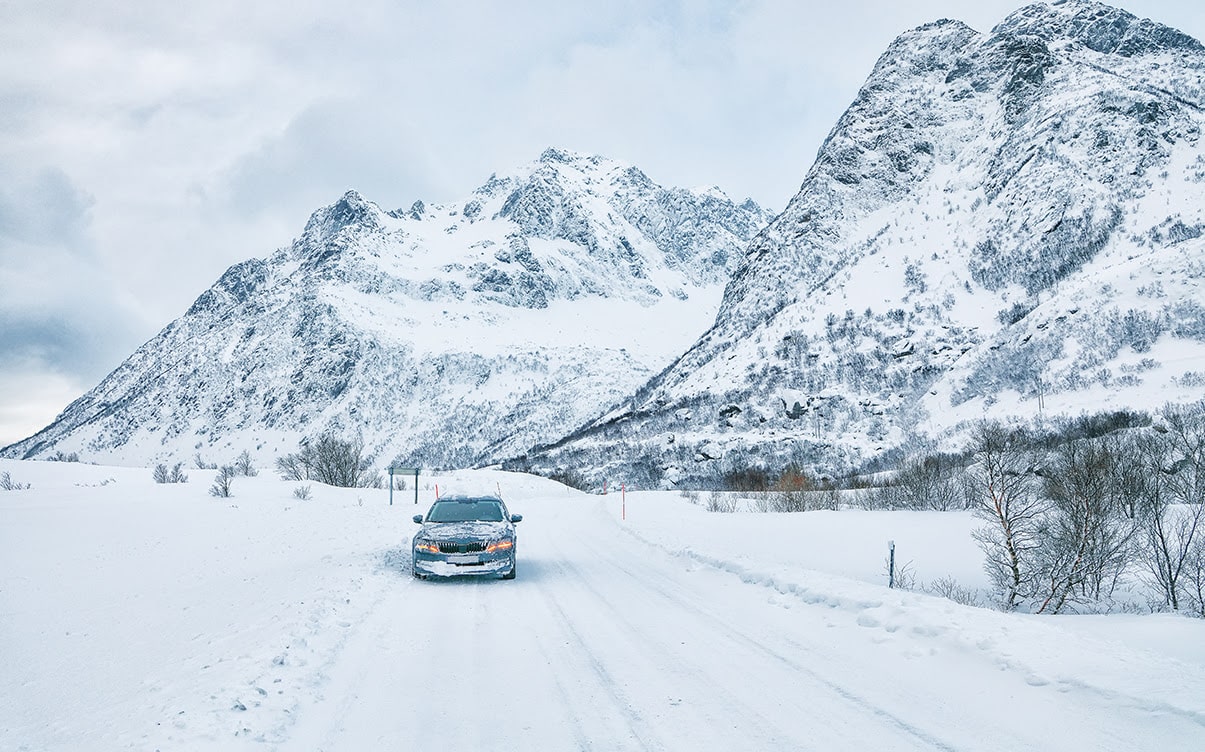
Limited daylight makes it a longer trip to take. The opposite of the midnight sun is nearly endless stretches of darkness. Winter in Iceland, during the peak around the winter solstice, has around four solid hours of daylight and another four of twilight a day. Unless you’re willing to tackle those potentially icy roads in the dark, your travel time is limited. Your speeds are also limited, so your trip is going to take a lot longer.
A lot of businesses and tourist facilities close up for the season. Less demand and harsher conditions make for fewer amenities. The off-season anywhere in the world is going to have less to see and do, and that’s even more the case when some regions in Iceland end up nearly impossible to visit without a helicopter.
Avoiding the Extremes: Driving the Ring Road in Spring and Fall
While the peak of summer and the peak of winter both have their pros and cons, a lot of people opt for something somewhere in the middle. Nicer weather while the country comes alive in spring or settles into autumn in fall, balanced amounts of daylight, and relatively few challenges in the drive? These are all benefits of trying out the Ring Road in the shoulder seasons.
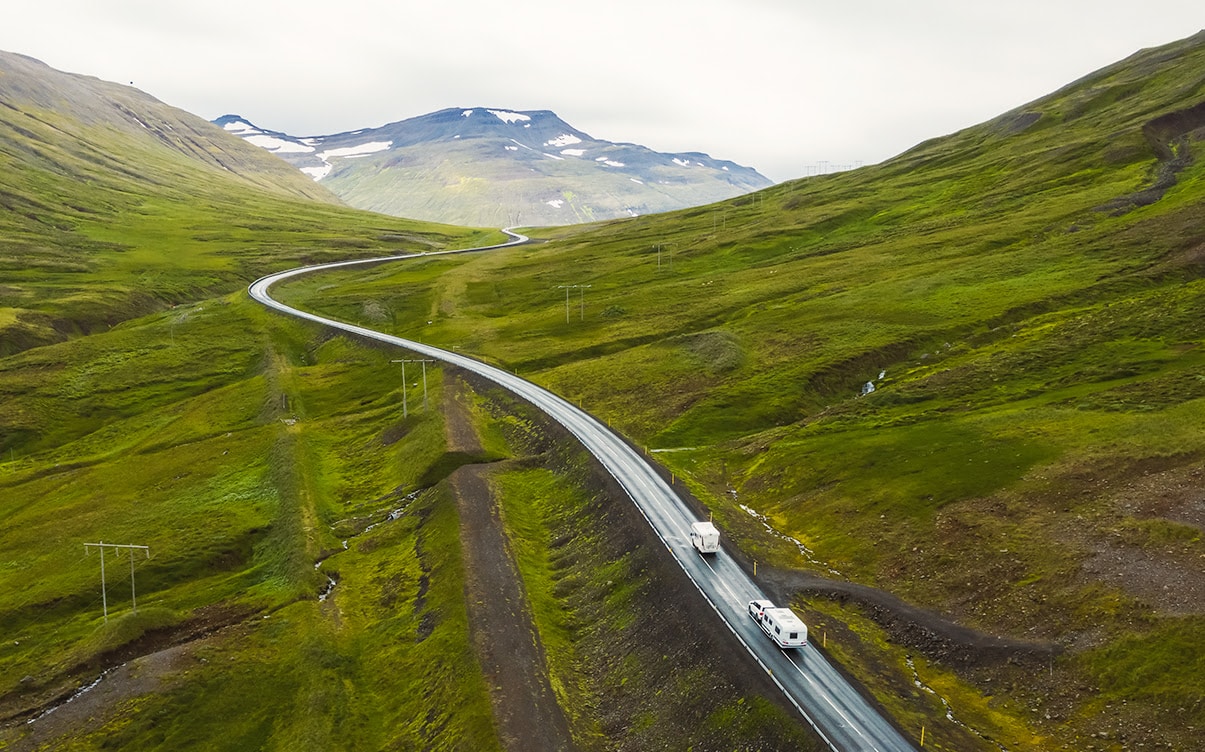
Truth be told, visiting in April and May for spring, or September and October for fall, can be one of the most comfortable experiences on the Ring Road it’s possible to have. There can always be weather, always be risks, always be cancellations and problems, but you don’t have to contend with the packed attractions in summer or the dangerous weather in winter.
For the most part, here are our recommendations.
- If you’re relatively inexperienced, avoid winter. Travel during the summer for the safest time on the Ring Road.
- If you’re really sensitive to disruptions in your sleep cycle, avoid the peak of summer or winter, and aim more for the shoulder seasons for a balance of daylight.
- If you’re ready for adventure and you’re familiar with driving on ice, winter offers once-in-a-lifetime experiences unlike anywhere else in the world.
Whichever option you choose, picking the time to visit is just the start. Now you have to build your whole itinerary… but that’s a matter for another post.